Anatomy, the way a physiotherapist uses it.
A detailed 3D body that takes the position of each special test and lights only the tissue it loads. A neuro screen by spinal level, PT courses and an exercise library. Every fact names its source.


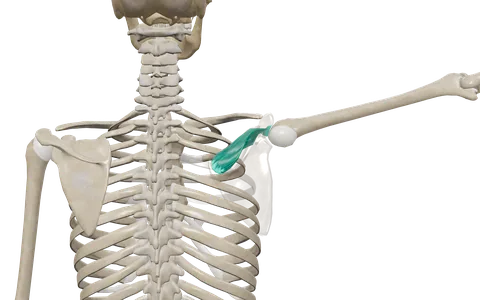
- special tests, nerve tests and reflexes, posed on the body
- 32
- structures to search, in English and Latin
- 2,627
- PT courses, in 120 short lessons
- 21
- exercises, each linked to its studies
- 307
Made by a physiotherapist, for physiotherapy students.
Watar is made in Amman, Jordan. Most anatomy apps show a body and its labels. Watar starts from what a physiotherapy student is asked in lectures and practicals, and answers it on a detailed 3D body.
Learn the structure
Muscles, bones, ligaments, nerves and vessels in layers, with English and Latin names and a source on every fact.
Practise the tests
32 special tests, nerve tests and reflexes posed on the body, with only the tissue each one loads lit. A test supports a clinical judgement; it never diagnoses on its own.
Connect it to the clinic
The neuro screen by spinal level, PT courses that go from structure to what a PT tests and loads, and exercises linked to their studies.
Keep it
Short lessons for a phone between lectures, and spaced review that brings back what you missed.
- Spurling test
- Slump test
- Empty can (Jobe) test
- Hornblower's sign
- Hawkins-Kennedy test
- Drop arm test
- Phalen test
- Wrist drop test (radial nerve)
- Triceps reflex
- Brachioradialis reflex
- ULNT1 (median nerve)
- ULNT2b (radial nerve)
- ULNT3 (ulnar nerve)
- Sacroiliac provocation (Laslett cluster)
- Ober test
- Trendelenburg sign
- FADIR test
- Straight leg raise (Lasègue)
- Reverse Lasègue (femoral nerve stretch)
- Nachlas sign (prone knee bend)
- Posterior drawer test
- Lachman test
- McMurray test
- Thessaly test
- Anterior drawer test (knee)
- Valgus stress test
- Garrick test (popliteus)
- Patellar reflex
- Anterior drawer test (ankle)
- Talar tilt (inversion stress) test
- Thompson (Simmonds) squeeze test
- Achilles reflex
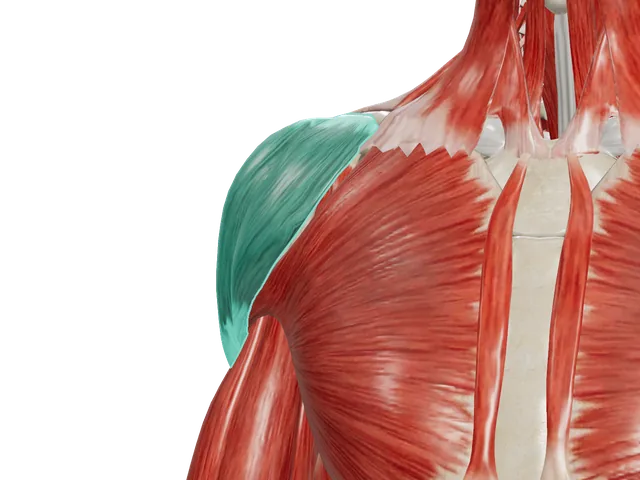 Deltoid
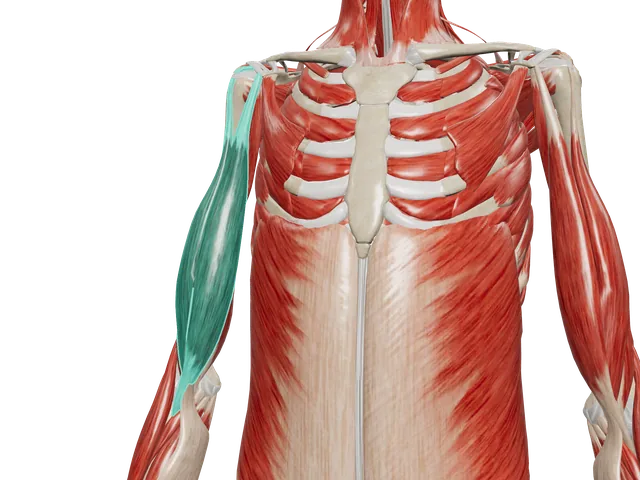 Biceps brachii
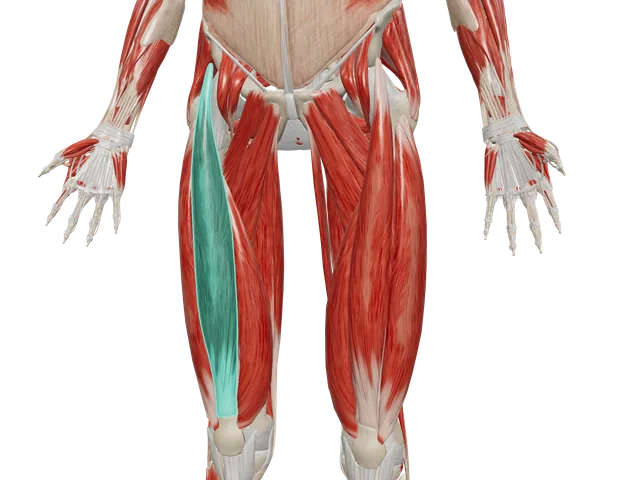 Rectus femoris
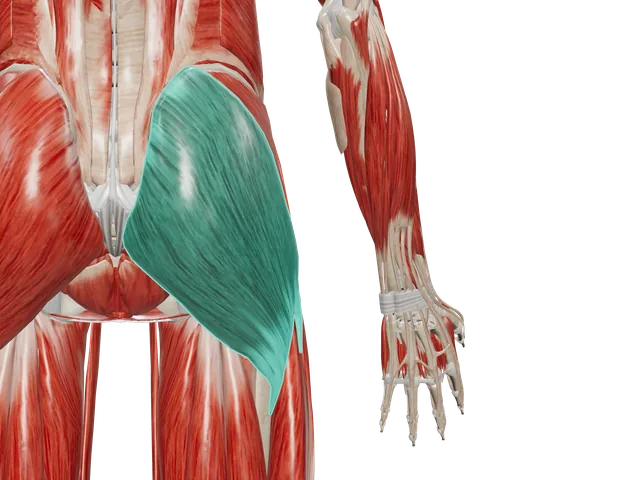 Gluteus maximus
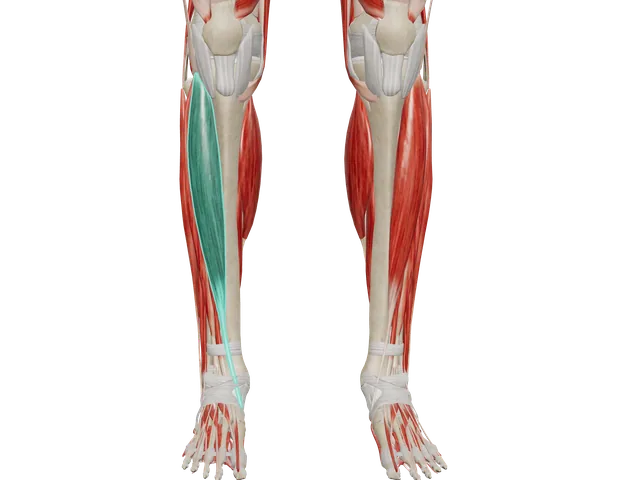 Tibialis anterior
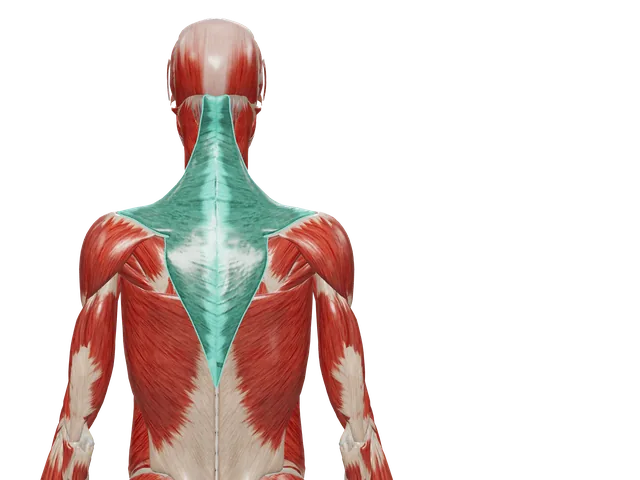 Trapezius
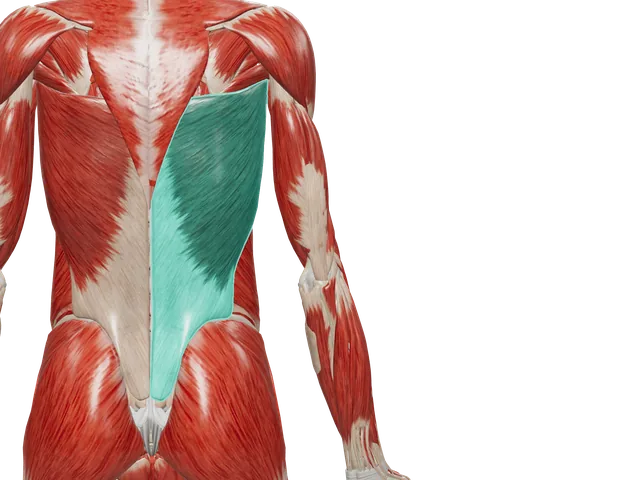 Latissimus dorsi
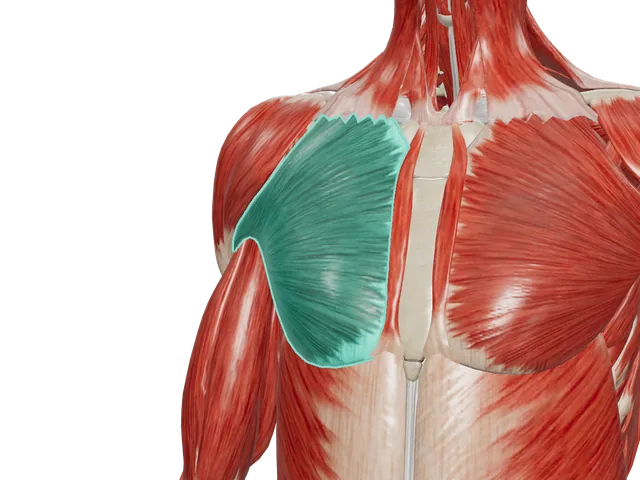 Pectoralis major
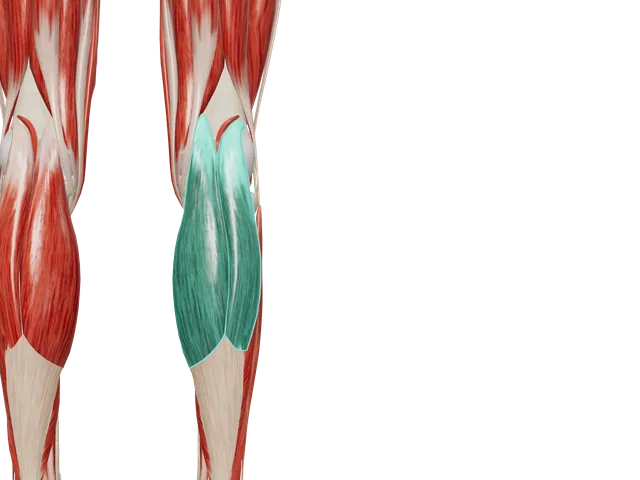 Gastrocnemius
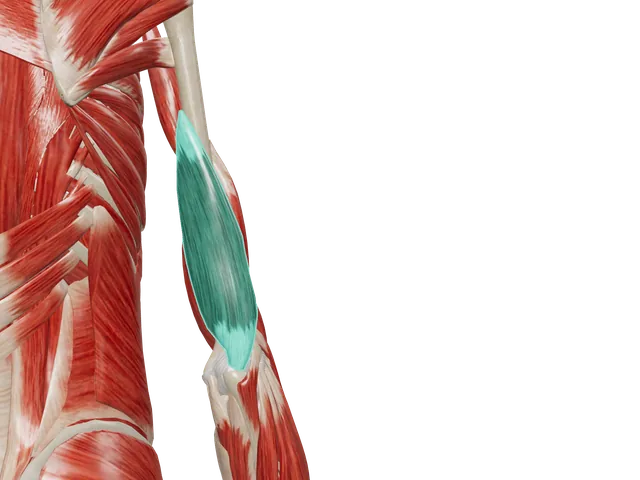 Triceps brachii
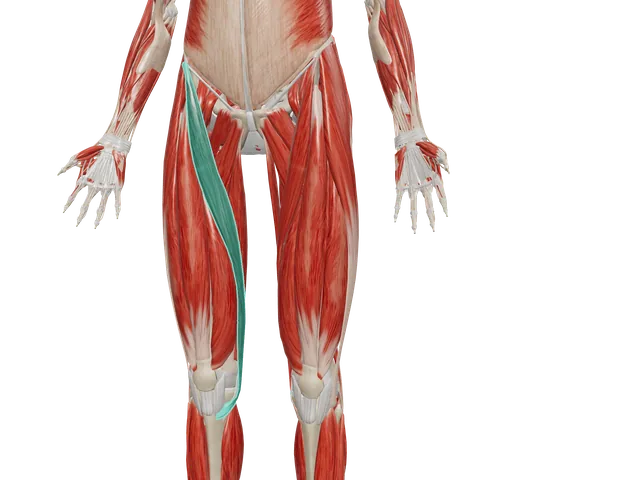 Sartorius
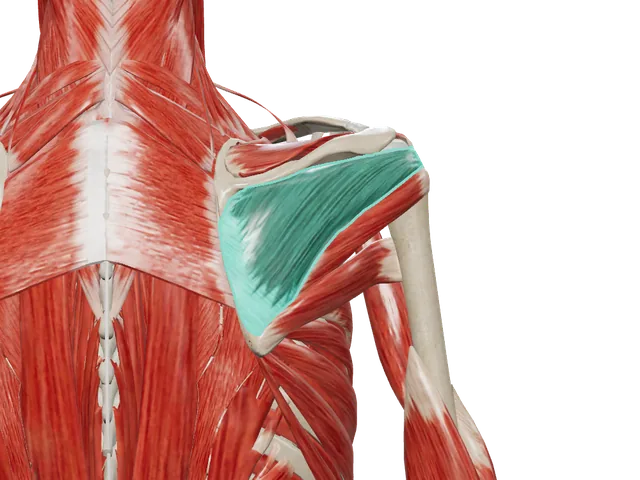 Infraspinatus
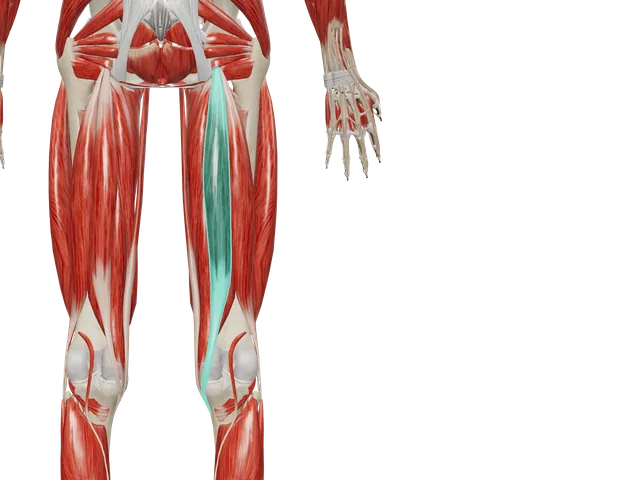 Semitendinosus
Four questions about the quadriceps
The questions a physiotherapy course asks of every structure, answered on the body. Not every structure has all four answers yet.
What is it?
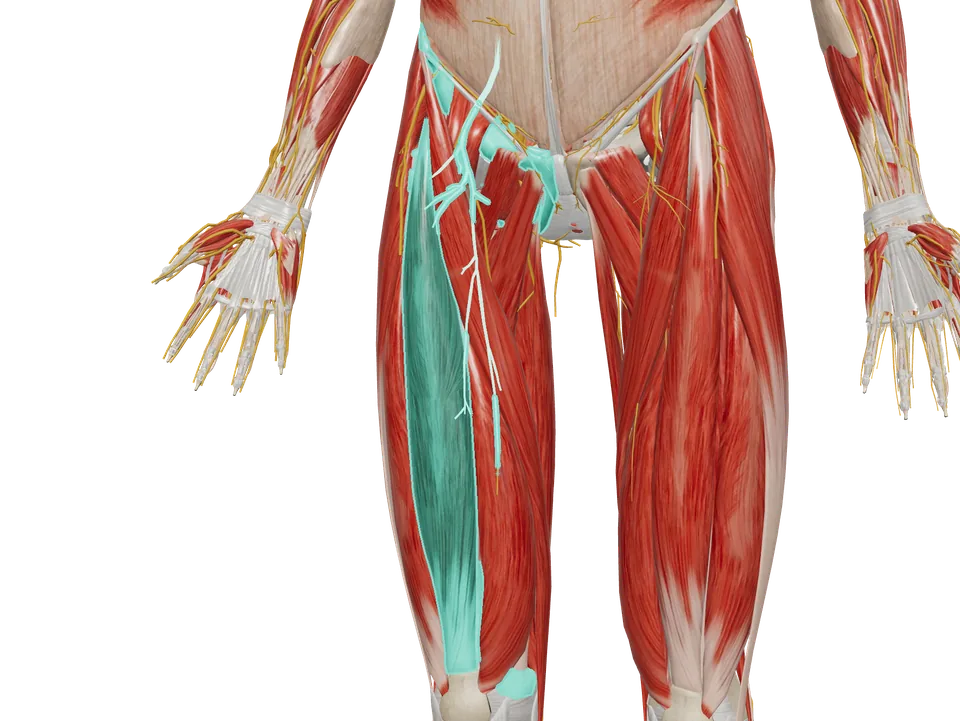
Four muscles, the rectus femoris and the three vasti, joined in one tendon on the patella. Together they straighten the knee, and the rectus femoris, which also crosses the hip, helps flex it.
Gray's Anatomy, 1918 (public domain), cited on the fact card
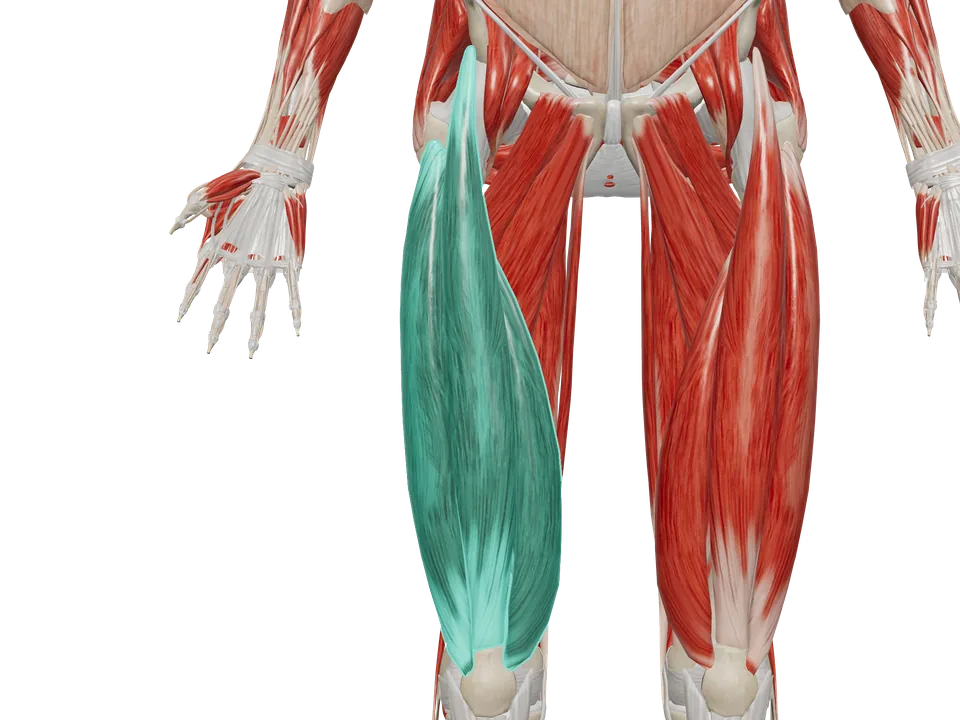
How is it tested?
Open the patellar reflex: the body sits with the legs hanging and the patellar ligament lights up. A tap on it should make the quadriceps contract and the knee extend. The card gives the roots, L2 to L4, mainly L4, and its source.
One of 32 special tests, nerve tests and reflexes in the atlas
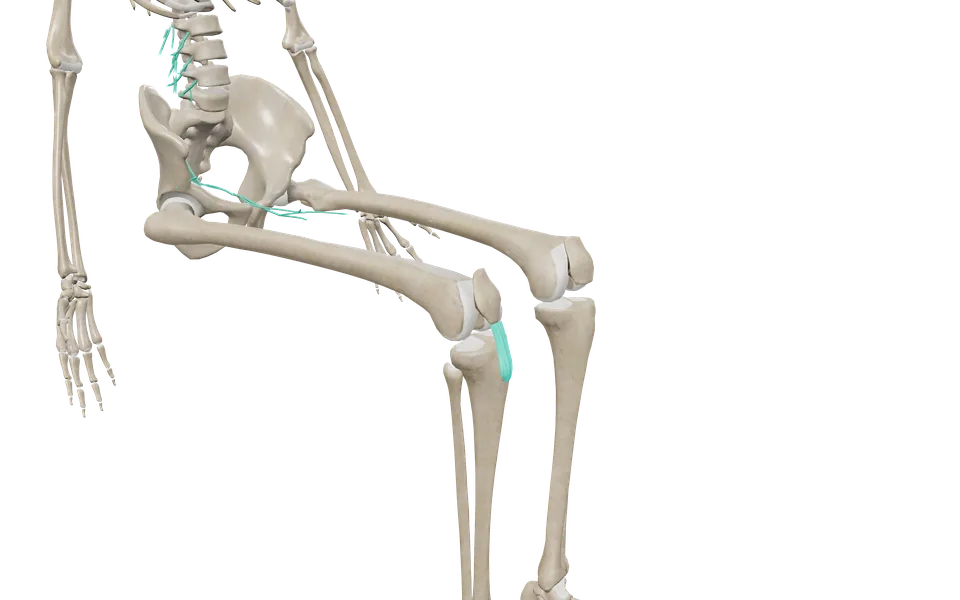
Which nerve and roots supply it?
One nerve supplies all four: the femoral nerve, from the L2, L3 and L4 roots. On the neuro screen L3 is the level to check: its key movement is knee extension, and its key sensory point is the medial femoral condyle, just above the knee.
Gray's Anatomy, 1918 (public domain); neuro screen levels after the ISNCSCI worksheet (ASIA/ISCoS, 2019)
How is it loaded?
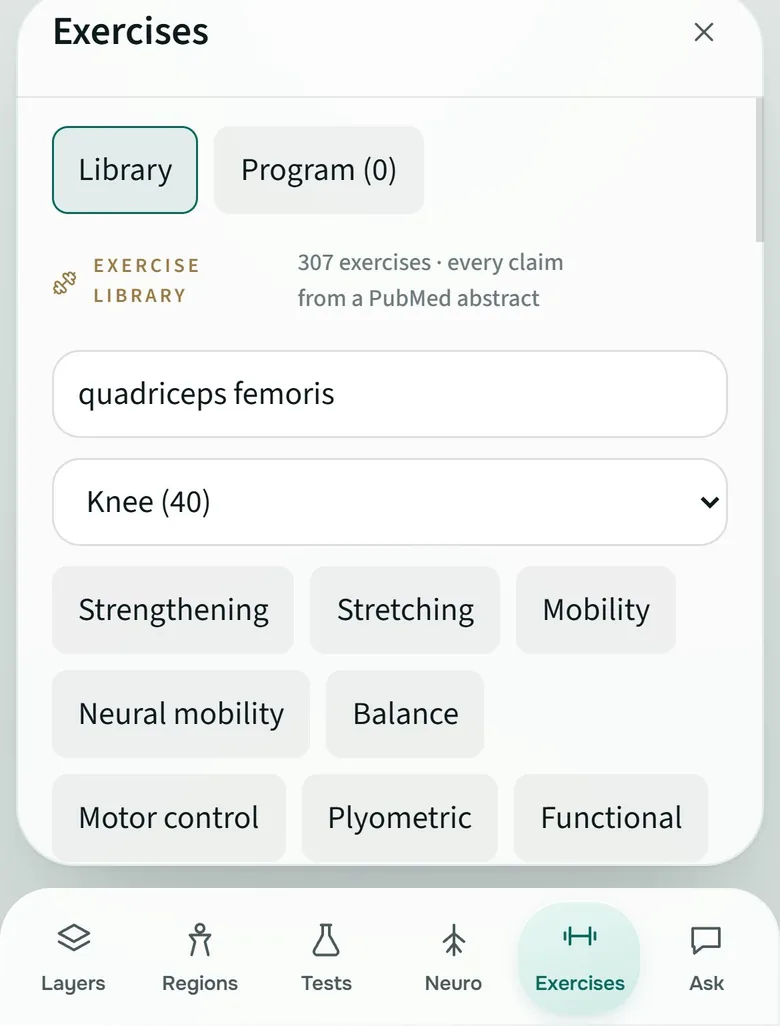
The exercise library filters by region, muscle and kind of exercise. Each exercise links to the studies behind it, so you can read the evidence for your coursework.
- Knee
- Quadriceps femoris
- Strengthening
Each exercise links to its studies on PubMed


Everything a PT student opens in a week
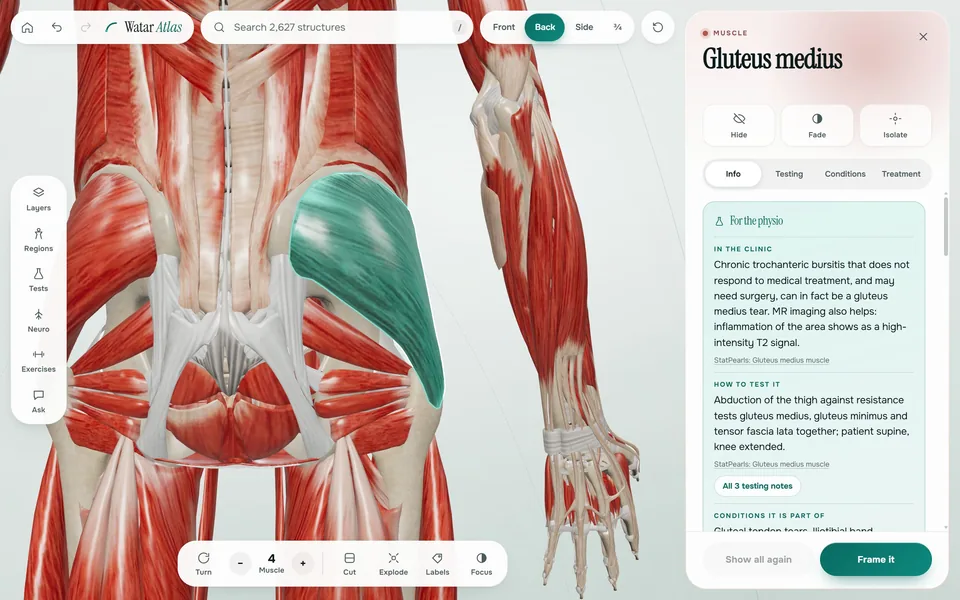
The 3D atlas
Bones, ligaments, muscles, nerves and vessels in layers. Pick a structure and its card opens: facts with their sources, and tabs for testing, conditions and treatment.
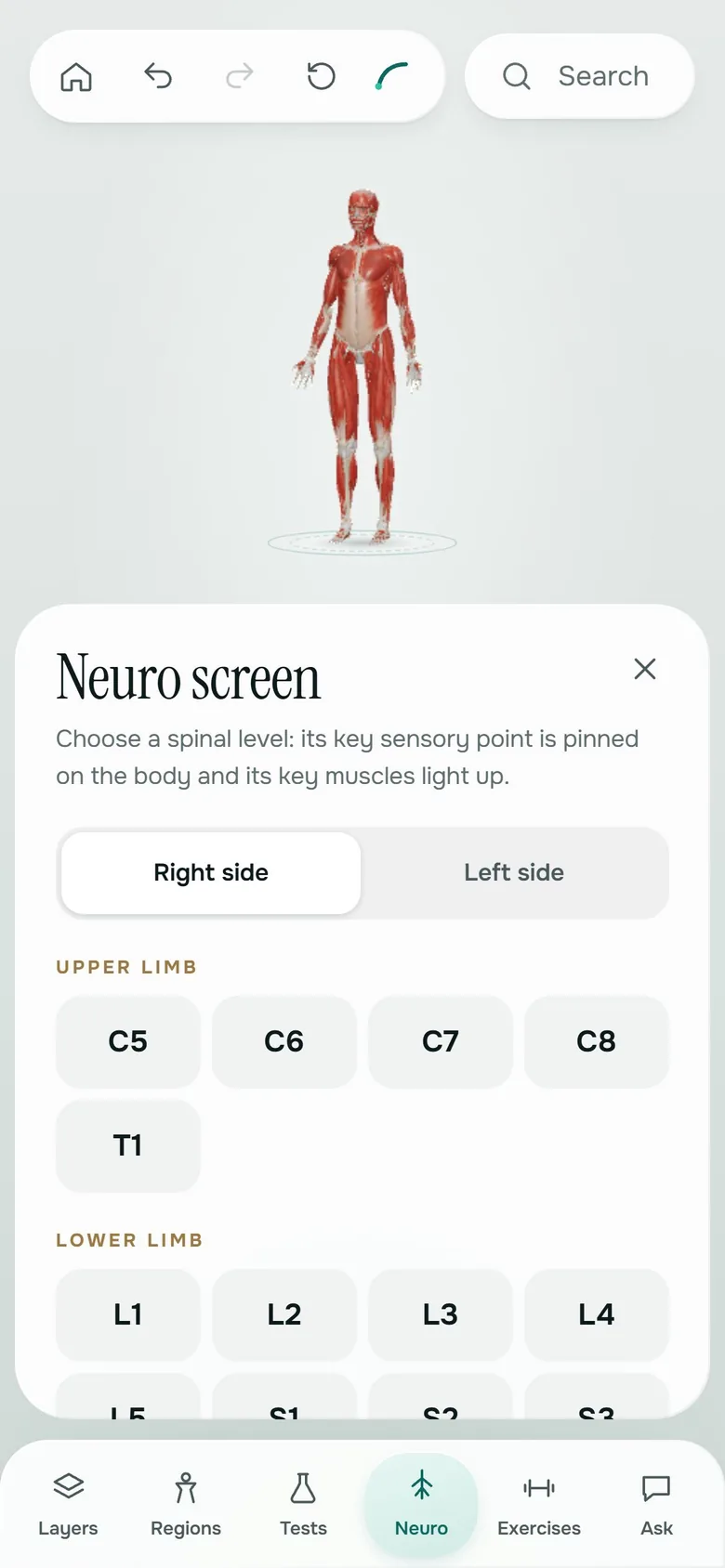
The neuro screen
Dermatomes, myotomes and reflexes by spinal level, from C5 to S3, on either side.
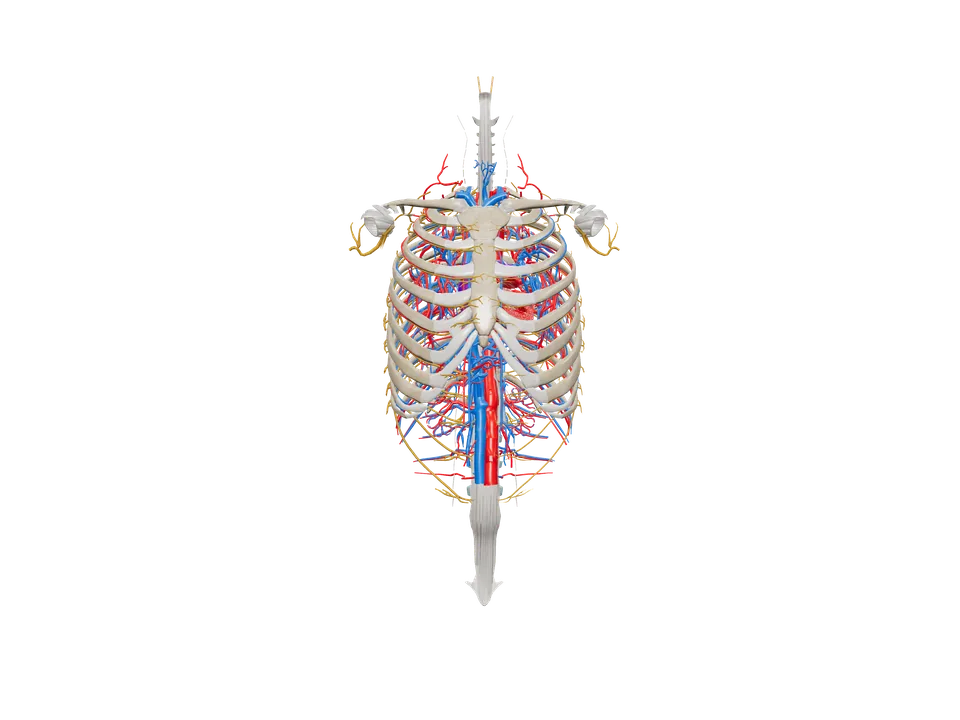
Layer by layer
Take the muscles off and the ribs, nerves, arteries and veins are there beneath, each one named.
21 courses
PT courses
Each course walks a region from structure to what a PT tests, palpates and loads, on the body.
- Shoulder
- Knee
- Neuro rehab
- Cardiopulmonary
- Paediatrics
- Women's health
- Sports
- 1
- 3
- 7
- 14
- 30
Spaced review
A missed question comes back the next day. Each right answer in a row pushes it out: 1, 3, 7, 14, then 30 days.
Why does the empty can test turn the thumb down?
Ask
Ask about a structure or a test, by typing or by voice, and the study tutor answers from the app's own facts. Not available in every country yet.


The founders' price, for the first 500.
Every plan opens all of Watar. Join the waitlist: the first 500 to join pay $2 a month or $20 a year instead of $39 a year, locked for life. Pro opens to everyone once those places are taken.